What Is Stamped Concrete and How Does It Work?
People searching for stamped concrete installation are typically looking to enhance surfaces with durable, decorative patterns, and local contractors can provide expert services to achieve this look.
If you’ve been exploring options to enhance the appearance and functionality of your outdoor spaces, you’ve likely come across the term stamped concrete. This decorative surface technique involves pouring concrete and then impressing patterns and textures that mimic natural stone, brick, or other materials. Understanding what is stamped concrete and how does it work can help property owners decide if it’s the right choice for patios, walkways, driveways, or pool decks. Local contractors who specialize in stamped concrete installation can provide insights into the process and help bring your vision to life with durable, visually appealing surfaces.
Many property owners in the area consider stamped concrete for its versatility and cost-effectiveness compared to natural materials. The process involves applying color and texture to concrete to create a customized look that complements existing architecture or landscape design. Since the technique requires specific skills and tools, working with experienced service providers ensures the finished product meets expectations. Keep reading to learn more about how stamped concrete is installed and how local specialists can assist with transforming outdoor spaces into attractive, long-lasting features.
- Stamped concrete installation services are ideal for homeowners wanting to replicate natural stone, brick, or tile patterns on driveways or patios, with local contractors skilled in applying decorative overlays. When planning to enhance outdoor spaces with textured and colored concrete surfaces that mimic more expensive materials, local pros utilize specialized stamping tools and techniques. For projects requiring durable, aesthetically appealing surfaces that add value and visual interest, local service providers can customize designs to match specific style preferences. If a property owner seeks to update existing concrete with decorative patterns and color accents, local contractors can perform stamped concrete installation to achieve the desired look. Those interested in creating unique, patterned surfaces for walkways, pool decks, or courtyards can rely on local pros to handle the detailed stamping and finishing work.
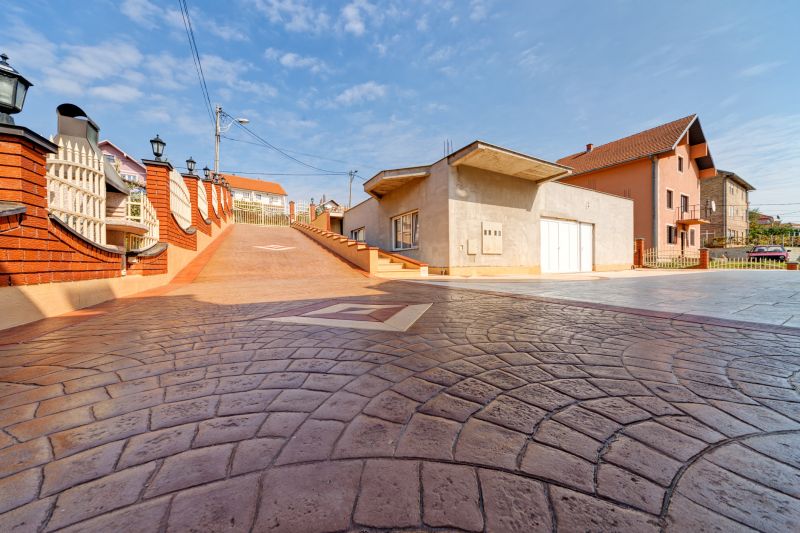
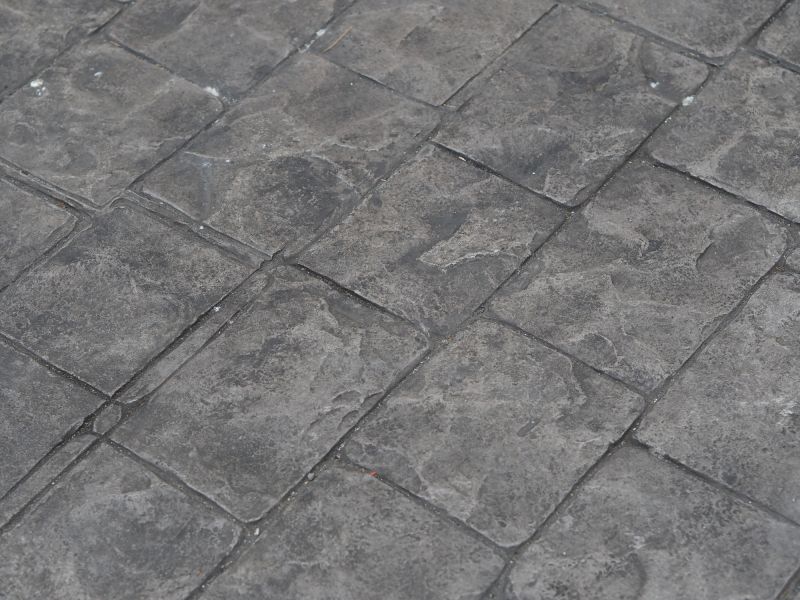
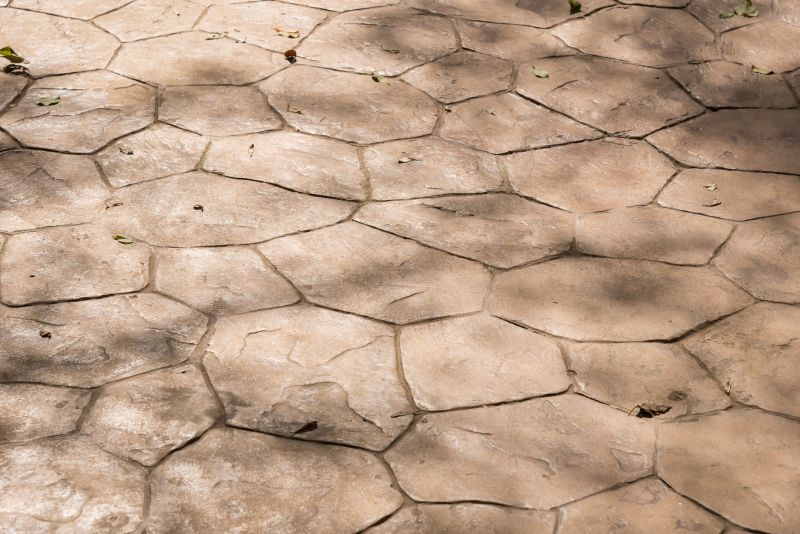
When people search for what is stamped concrete and how does it work, they are often exploring options to enhance the appearance of their outdoor surfaces, such as driveways, patios, or walkways. Stamped concrete is a decorative technique that involves pouring and finishing concrete in a way that allows it to mimic the look of more expensive materials like stone, brick, or tile. Homeowners interested in this topic typically want to understand how the process creates realistic patterns and textures, and how it can be integrated into existing or new concrete installations to improve curb appeal and property value.
This method is commonly associated with projects that aim to combine durability with aesthetic appeal. Many property owners consider stamped concrete when planning for outdoor upgrades that need to withstand foot traffic, vehicle weight, or weather conditions. It is also popular for creating themed outdoor spaces, such as patios designed to resemble natural stone or brick pavers. The topic often relates to problems like cracking or uneven surfaces, as stamped concrete can be used to repair or replace older, worn-out concrete slabs while adding visual interest. Local contractors who specialize in stamped concrete installation can help homeowners select styles and patterns that match their property’s design goals.
The types of properties that typically feature stamped concrete include residential homes, commercial spaces, and public areas. For homeowners, stamped concrete is frequently used on driveways, pool decks, and backyard patios. Commercial property owners may choose it for storefront entrances, sidewalks, or courtyards to create a welcoming, polished look. Public parks and community spaces also incorporate stamped concrete for pathways and gathering areas because of its versatility and long-lasting qualities. When considering a project, property owners often seek out local service providers who have experience in working with different property types and can recommend suitable patterns, colors, and finishes that align with their specific plans.
Understanding how stamped concrete works helps homeowners see its potential as a practical and attractive solution for their outdoor spaces. The process involves pouring concrete, then impressing it with textured molds or stamps while it is still wet, creating patterns that resemble natural materials. After the stamping, the surface is typically colored or stained to enhance realism and visual appeal. Local pros who specialize in stamped concrete installation can handle the entire process, from preparing the site to applying finishing touches, ensuring the final result meets the desired aesthetic and functional standards. This combination of craftsmanship and design options makes stamped concrete a popular choice for those looking to upgrade their property with a durable, visually appealing surface.
Concrete Driveway Paving - Local contractors skilled in stamped concrete can also handle driveway projects that require precise planning and finishing techniques similar to stamped surface installation.
Patio and Outdoor Living Spaces - Designing and installing decorative concrete patios with stamped patterns involves planning and tools that overlap with stamped concrete work.
Sidewalks and Pathways - Creating durable, aesthetically pleasing walkways with stamped concrete requires similar skills in surface preparation and pattern application.
Pool Decks and Surrounds - Installing textured and decorative concrete around pools involves techniques and planning comparable to stamped concrete installations.
Garage Floor Coatings - Applying decorative overlays or stamped patterns on garage floors shares planning and surface prep skills with stamped concrete projects.
Interior Concrete Floors - Decorative concrete flooring inside buildings often uses similar tools and techniques as stamped concrete for aesthetic enhancement.
When comparing service providers for stamped concrete installation, it is important to consider their experience with similar projects. Homeowners should seek out local contractors who have a proven track record of working with stamped concrete and related decorative concrete surfaces. An experienced contractor will understand the nuances of the material, the various stamping techniques, and the best practices for achieving durable, visually appealing results. Asking about past projects or reviewing portfolios can provide insight into their familiarity with the process and the quality of work they deliver.
Clear communication and well-defined expectations are essential when selecting a contractor for stamped concrete work. Homeowners should look for service providers who can clearly explain the installation process, materials involved, and what to expect during and after the project. A reputable contractor will be willing to discuss the scope of work, answer questions, and provide detailed descriptions of the services offered. This level of transparency helps ensure that both parties are aligned on project goals and reduces the potential for misunderstandings.
Reputable references and strong communication skills are key indicators of a dependable local contractor. Homeowners should seek out service providers who can provide references from previous clients, especially those who have had similar stamped concrete projects completed. Good communication throughout the process-whether through prompt responses to inquiries or ongoing updates-can make a significant difference in the overall experience. Choosing a contractor with a solid reputation and clear, open lines of communication can help ensure the project runs smoothly and meets expectations.
Property owners often search for what is stamped concrete and how does it work? when they are planning practical projects around their homes and businesses. Local pros provide Stamped Concrete Installation services for everyday jobs and straightforward project options.
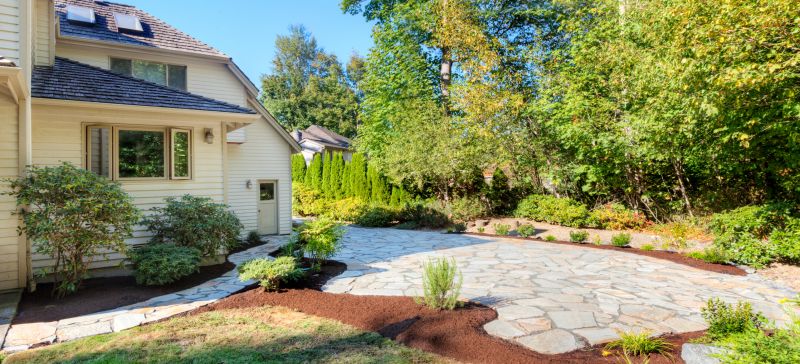
Stamped concrete is a popular choice for property owners looking to enhance outdoor spaces like patios, walkways, or driveways. It involves pouring concrete and then impressing patterns or textures into the surface before it fully sets, creating a decorative look that mimics materials such as stone, brick, or tile. This process allows for customization in design and color, making it a versatile option for improving curb appeal or creating a stylish backyard area. When considering stamped concrete installation, many property owners seek out local contractors who specialize in this technique to ensure a professional finish that adds value and visual interest to their property.
Understanding how stamped concrete works can help property owners decide if it’s the right choice for their project. The process typically begins with preparing the area, followed by pouring the concrete and applying color or stain to achieve the desired appearance. Once the concrete is partially set, the contractor impresses stamped patterns into the surface using molds or stamps, which leaves textured designs that resemble natural materials. To preserve the look and durability, sealing the finished surface is often recommended. Local contractors experienced in stamped concrete installation can provide guidance on design options and handle the work efficiently, helping property owners bring their vision to life with a durable, attractive surface.
What is stamped concrete and how does it work? Stamped concrete is a type of decorative concrete that uses molds and color techniques to mimic the appearance of materials like stone, brick, or tile. Local contractors apply these patterns and colors during the pouring process to create a textured, visually appealing surface.
How do local contractors install stamped concrete? Installation involves pouring concrete, then pressing specially designed molds into the surface while it is still workable. They also add color and finish treatments to enhance the realistic look and durability of the stamped concrete.
Can stamped concrete be customized to match specific styles? Yes, local service providers can customize stamped concrete with various patterns, colors, and textures to complement different design preferences and outdoor aesthetics.
What factors influence how stamped concrete works in a space? Factors include the quality of the concrete mix, proper surface preparation, and the skill of the installer. Experienced local pros ensure the patterns are correctly applied and the surface is sealed for longevity.
Is stamped concrete suitable for different outdoor areas? Stamped concrete is versatile and can be used for patios, walkways, driveways, and pool decks, with local contractors tailoring the installation to suit the specific space and usage needs.
Design customization - Property owners can work with local contractors to choose patterns and colors that match their aesthetic preferences for patios or walkways.
Surface durability - Local service providers can install stamped concrete that withstands foot traffic and weather conditions, making it ideal for driveways or pool decks.
Surface preparation - Homeowners can ensure proper base work by collaborating with local pros to create a stable foundation for the stamped concrete.
Sealing and finishing - Property owners can have local contractors apply sealants that enhance the appearance and protect the stamped concrete over time.
If you are thinking about what is stamped concrete and how does it work? for a property, this guide is meant to help you understand this topic, the typical project types, and how different options might fit your plans.
When you are ready, you can use the quote form on this page to share a few details about your project. From there, local pros can review the basics and follow up with options that match what you have in mind.